
What the Piggly Wiggly Meat Grinder Citation Teaches About Machine Guarding and Lockout/Tagout
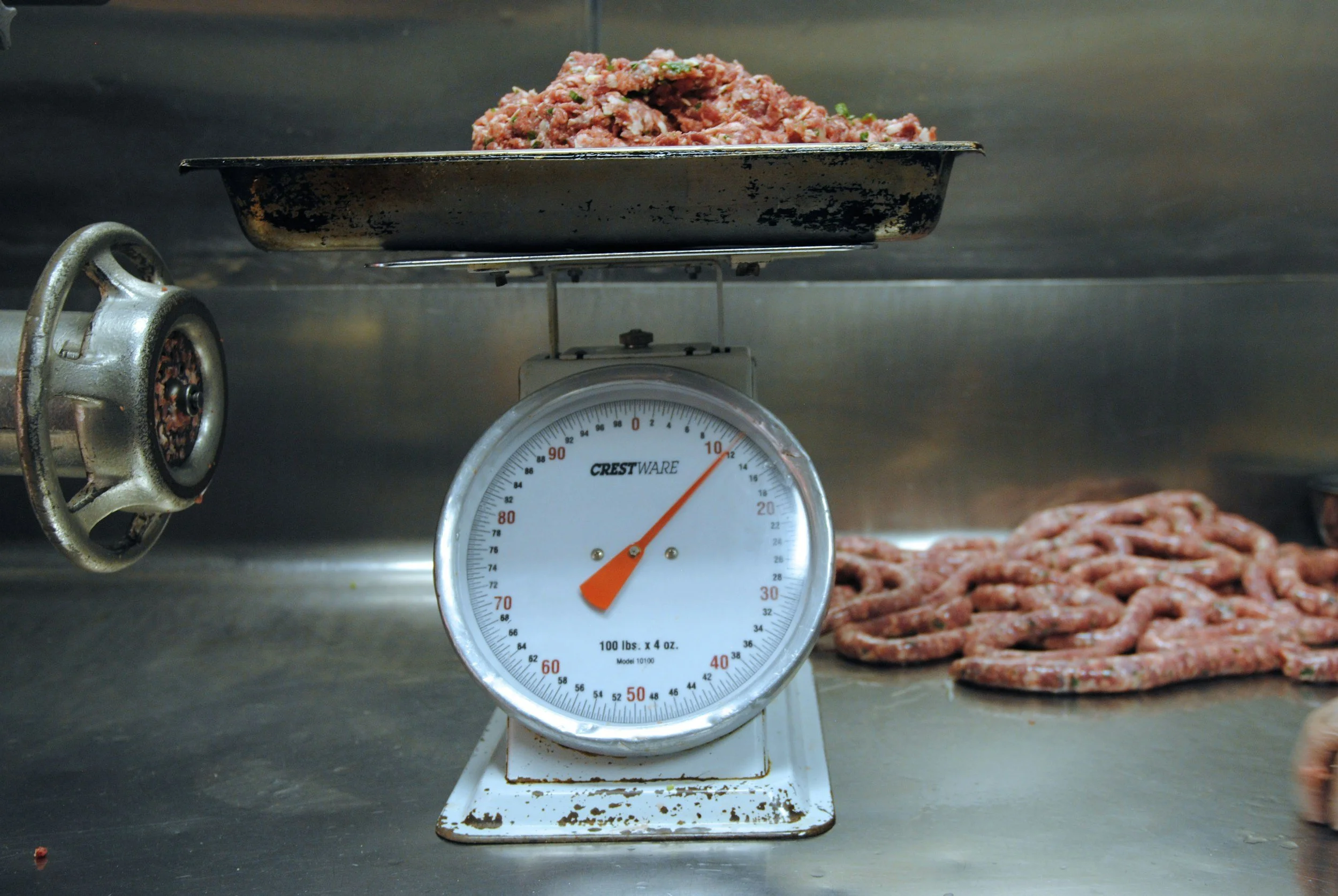
A serious injury at a Piggly Wiggly supermarket in Bowdon, Georgia, offers a stark reminder that familiar workplace equipment can become hazardous when basic safeguards are missing or bypassed. On January 29, 2026, a meat department employee was cleaning a commercial meat grinder when a co-worker stepped on the machine’s foot-control pedal. The grinder started unexpectedly, pulled in the employee’s hand, and caused the amputation of four fingers. OSHA later cited RBG Foods Inc., operating as Piggly Wiggly, and proposed $196,251 in penalties. The agency cited violations related to machine guarding, hazardous energy control, and delayed injury reporting. Beyond the penalty amount, the case shows why EHS programs must treat cleaning, maintenance, and routine equipment use as high-risk tasks requiring clear controls.
According to OSHA, the incident occurred when RBG Foods assigned a meat department employee to clean a commercial grinder. During that task, a co-worker stepped on the machine’s foot-control pedal, causing the grinder to start. The employee’s hand was pulled into the machine, resulting in the amputation of four fingers.
OSHA cited the employer for three violations: a willful violation for bypassing the grinder’s safety guards, a serious violation for failing to establish a hazardous energy control program, and an other-than-serious violation for failing to report the amputation to OSHA within 24 hours. The agency proposed $196,251 in penalties. The employer had 15 business days from receipt of the citations and penalties to comply, request an informal conference with OSHA, or contest the findings before the Occupational Safety and Health Review Commission.
Machine guarding is one of the most basic and important forms of workplace protection. A guard, barrier, enclosure, or safety device is intended to keep hands, fingers, clothing, and tools away from dangerous moving parts. In a grocery or food retail setting, equipment such as meat grinders, slicers, mixers, saws, compactors, and conveyors may feel routine because employees use them every day. That familiarity can create risk when workers become comfortable around hazards that still have the power to cause permanent injury.
The citation shows how quickly a routine cleaning task can become life-altering. OSHA stated that the grinder’s safety guards had been bypassed, exposing the employee to the machine’s point of operation. When guarding is removed, disabled, or treated as optional, the worker becomes the last line of defense. Effective EHS programs should make the equipment itself safer through properly installed guards, routine inspections, supervisor checks, and immediate removal from service when safeguards are missing or not functioning.
The second major lesson from the citation is the importance of hazardous energy control, commonly known as lockout/tagout. Lockout/tagout procedures are designed to prevent equipment from starting unexpectedly while an employee is cleaning, servicing, maintaining, repairing, clearing a jam, or changing parts. In this case, the danger was not only the meat grinder’s moving parts. The danger was also the fact that the grinder could be activated while an employee’s hand was inside the equipment.
A strong lockout/tagout process starts before the task begins. Power should be disconnected. The energy source should be locked out when required. Employees should verify that the machine cannot start. Foot pedals, switches, and other activation controls should be secured so they cannot be triggered accidentally. Workers should also understand who is authorized to perform cleaning or servicing tasks and what steps must be followed before placing hands near blades, augers, pinch points, or other hazardous areas.
The incident also shows why procedures must account for human error. A co-worker stepping on a foot pedal may be accidental, but a safety system should not depend on everyone being perfectly aware at every moment. Physical controls, written procedures, and training should work together so one mistake does not result in a permanent injury.
OSHA’s citation also included an other-than-serious violation for failing to report the amputation within the required timeframe. Employers must report any work-related amputation, in-patient hospitalization, or loss of an eye to OSHA within 24 hours. Fatalities must be reported within eight hours. These requirements are not just administrative details. Prompt reporting helps regulators respond to severe incidents, identify hazardous conditions, and determine whether workers remain exposed to serious risks.
For employers, timely reporting also supports a stronger safety culture. It forces the organization to recognize the seriousness of the event, preserve facts, review procedures, and take corrective action. When severe injuries are treated as paperwork problems rather than safety failures, the same hazards may remain in place for the next employee.
This incident offers practical lessons for EHS leaders, store managers, supervisors, and small employers that use powered equipment. The first lesson is to treat cleaning and maintenance as high-risk work, even when the equipment is familiar. A pre-task hazard assessment should identify where hands may contact blades, augers, pinch points, or other moving parts, and what controls must be used before the task begins.
The second lesson is to verify safeguards before work starts. Guards should be inspected regularly, and equipment should be removed from service immediately if a guard is missing, bypassed, damaged, or not functioning as designed. Supervisors should not rely only on employee experience or informal work practices.
The third lesson is to make lockout/tagout procedures specific and practical. A written procedure should explain how to shut down the machine, isolate energy, secure switches or pedals, verify zero energy, and return the equipment to service safely.
Finally, training must be reinforced through observation and accountability. Employees should know when they are allowed to clean or service equipment, when lockout/tagout applies, and how to report unsafe conditions. A strong EHS program should assume that mistakes can happen and build safeguards that prevent one accidental step, switch, or shortcut from causing a permanent injury.
The Piggly Wiggly citation is a reminder that severe injuries can happen in familiar workplaces when essential controls are missing, bypassed, or misunderstood. Meat grinders, slicers, mixers, and similar equipment require more than caution. They require reliable guards, clear lockout/tagout procedures, training, supervision, and timely reporting when serious injuries occur. Safety cannot depend on luck or perfect human attention. It must be built into the equipment, the task, and the workplace culture.