
What the Garden Grove Chemical Tank Emergency Teaches About EHS Preparedness
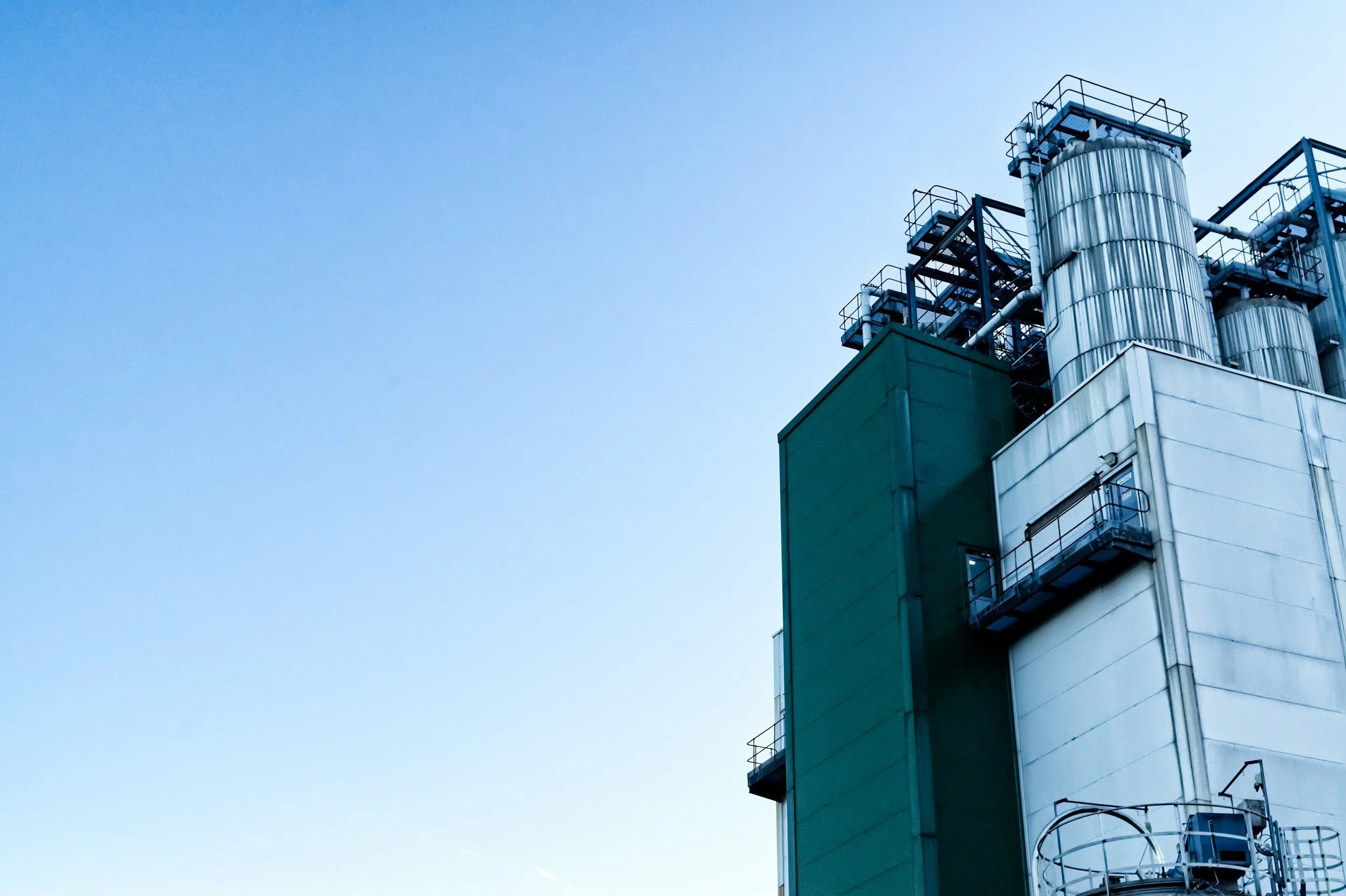
The chemical tank emergency in Garden Grove, California, quickly became more than a facility-level incident. A damaged tank at the GKN Aerospace site containing thousands of gallons of methyl methacrylate prompted evacuation orders affecting about 50,000 residents, school closures, emergency shelter operations, and a large multi-agency response. Officials warned that the tank could leak, rupture, or explode as temperatures and pressure rose, creating a serious public safety concern beyond the facility fence line. Although later reports said the catastrophic explosion risk had been reduced and evacuation orders were lifted, the incident remains a strong reminder that hazardous material storage requires constant attention, reliable safeguards, and clear communication with surrounding communities. For EHS leaders, the event offers an urgent case study in prevention and preparedness.
The incident began at GKN Aerospace’s Garden Grove facility when a storage tank containing methyl methacrylate began overheating after a reported cooling valve failure. The tank held an estimated 6,000 to 7,000 gallons of the chemical, which is used in plastics and acrylic materials. As conditions worsened, officials warned that the tank could rupture, leak, or explode, prompting large evacuation orders across Garden Grove and nearby Orange County communities.
Initial reports placed the evacuation figure at around 40,000 residents, while later reports said the emergency ultimately affected about 50,000 people before all orders were lifted. Emergency crews worked to stabilize the tank by cooling it with water, monitoring temperatures, and reducing the risk of pressure buildup. Reuters reported that the threat of explosion was reduced after a crack in the tank relieved internal pressure and temperatures dropped. AP later reported that officials lifted final evacuation orders after the tank was stabilized, while continued monitoring of air, sewer systems, and storm drains was expected.
Methyl methacrylate created serious EHS concerns because it combines chemical, fire, exposure, and environmental risks. OSHA describes it as a colorless liquid with an acrid, fruity odor, a flash point of 50°F, and explosive limits from 1.7% to 8.2% in air, meaning vapors can become flammable under the wrong conditions. The NIOSH Pocket Guide also identifies the chemical as a skin, eye, and respiratory hazard, with first-aid guidance for immediate eye irrigation, skin flushing, respiratory support, and medical attention if swallowed.
Those hazards made the Garden Grove tank conditions especially concerning. The tank held 6,000 to 7,000 gallons of methyl methacrylate and had overheated, raising fears of vapor release, rupture, fire, or explosion. Emergency responders also had to consider what could happen if liquid chemical escaped into storm drains, sewers, or nearby properties. In this type of event, EHS risk extends from worker protection to public evacuation, environmental containment, and community health monitoring.
The response to the Garden Grove chemical tank emergency showed how quickly a facility incident can become a regional public safety operation. Local officials ordered evacuations, opened shelters, closed schools, and coordinated public updates as crews worked to stabilize the tank. Firefighters used water to cool the container and monitored temperature changes to determine whether the risk was increasing or decreasing.
Reports also described the use of drones and other monitoring methods to assess the tank from a safer distance, limiting direct exposure for responders. Environmental controls were another key part of the response. Crews placed barriers around storm drains and monitored sewer systems to reduce the risk of chemical migration if the tank leaked.
The incident required coordination among fire officials, local government, public health agencies, law enforcement, emergency management teams, and facility representatives. For nearby residents, the most visible protective measure was evacuation. For EHS professionals, the broader lesson is that emergency response depends on preparation long before an incident occurs, including accurate chemical inventories, practiced response plans, and strong relationships with local responders.
The Garden Grove emergency highlights several practical lessons for industrial facilities that store or process hazardous chemicals. First, preventive maintenance must be treated as a core risk control, not a routine administrative task. A cooling valve failure or similar equipment problem can quickly become a major process safety event when heat-sensitive or flammable materials are involved. Tanks, valves, cooling systems, gauges, alarms, and backup controls should be inspected, tested, and documented on a schedule that reflects the severity of the hazard.
Second, facilities need credible emergency action plans that account for worst-case scenarios. A plan should identify who has authority to shut down operations, notify emergency responders, communicate with employees, and support community evacuation decisions. Chemical inventories and safety data sheets must be accurate, accessible, and shared with responders before an emergency.
Third, EHS teams should test whether safeguards remain effective during abnormal conditions. Redundant cooling, remote temperature monitoring, containment systems, vapor control, and storm drain protection may determine whether an incident stays on-site or affects surrounding neighborhoods.
Finally, training should include contractors, maintenance personnel, operators, supervisors, and security teams. Everyone with a role in hazardous material storage must understand early warning signs, escalation procedures, and communication expectations. Compliance is important, but resilience depends on whether systems, people, and responders can perform under pressure.
Even after evacuation orders are lifted, community concern can remain high. Residents may want to know whether the air was safe, whether chemicals entered drains or soil, and whether the incident could happen again. Trust depends on timely, plain-language communication before, during, and after the emergency.
Facility leaders and public agencies should share monitoring results, explain what those results mean, and acknowledge uncertainty where it exists. A post-incident investigation should identify root causes, corrective actions, and timelines for improvement. Long-term credibility is built when companies move beyond statements of reassurance and provide evidence that risks are being reduced.
The Garden Grove chemical tank emergency shows that EHS preparedness is more than meeting regulatory requirements. Strong safeguards, trained teams, accurate communication, and trusted response partnerships can determine whether a hazardous materials incident becomes a controlled emergency or a wider community crisis.