
Extreme Heat at Work: Should Europe Introduce Enforceable Temperature Limits?
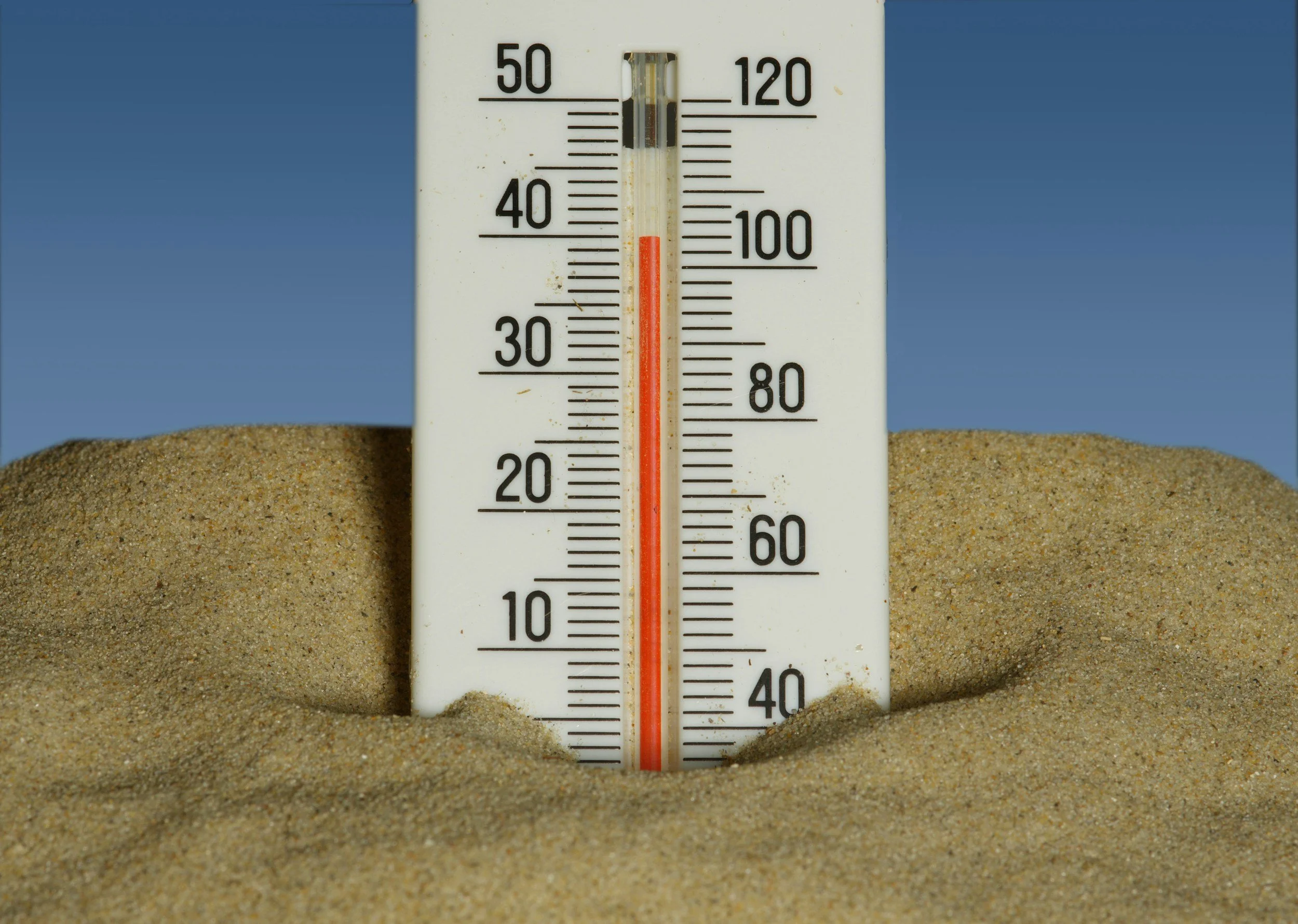
Extreme heat is becoming a critical occupational health and safety concern across Europe. Workers in construction, agriculture, manufacturing, transport, hospitality, and poorly ventilated buildings may face prolonged exposure to dangerous conditions. Heat stress can cause dehydration, exhaustion, impaired concentration, and life-threatening heatstroke, while also increasing the likelihood of errors and workplace accidents.
European trade unions are now calling for legally enforceable protections based on measurable heat exposure. Proposed measures include mandatory risk assessments, drinking water, shaded recovery areas, additional breaks, adjusted working hours, and stopping work when conditions exceed safe limits. Although policymakers continue to debate whether universal temperature thresholds are practical, employers cannot treat extreme heat as an occasional inconvenience. It is a foreseeable workplace hazard that requires documented controls, trained supervisors, and clear emergency procedures.
Why Workplace Heat Stress Is Dangerous
Heat stress develops when the body cannot release heat as quickly as it absorbs or produces it. Physical exertion, high humidity, direct sunlight, limited air movement, heavy clothing, and personal protective equipment can all increase the strain. Early symptoms may include excessive sweating, thirst, headache, weakness, nausea, dizziness, muscle cramps, and confusion. Without prompt action, the condition can progress to heat exhaustion or heatstroke, a medical emergency that can cause organ damage or death.
The danger extends beyond diagnosed heat-related illnesses. Fatigue, reduced concentration, slower reaction times, and impaired judgment can increase the likelihood of falls, vehicle collisions, equipment mistakes, and other workplace incidents. Repeated exposure may also contribute to longer-term cardiovascular, respiratory, and kidney problems.
Some workers require additional protection. Those who are new to hot conditions may not yet be acclimatized, while older employees, pregnant workers, and people with certain health conditions or medications may be more vulnerable. Risk is also elevated for workers performing strenuous tasks or wearing protective clothing that restricts the body’s natural cooling process.
The Push for Enforceable Temperature Limits
European trade unions are intensifying calls for binding occupational heat protections as severe heatwaves expose gaps in existing safety rules. A model directive supported by European trade union organizations proposes maximum workplace exposure levels based on the Wet Bulb Globe Temperature, with limits ranging from approximately 30°C to 32.5°C depending on the physical intensity of the work. Activities would be suspended when the relevant threshold is exceeded.
The proposal would also require employers to assess heat risks, provide water and cooling breaks, adjust working hours, support acclimatization, and consult workers on preventive measures. Employers that failed to comply could face effective and proportionate sanctions. Supporters argue that general health and safety duties are not specific enough to guarantee consistent protection across industries and countries.
However, a single air-temperature limit may not adequately reflect workplace conditions. Heat risk varies according to humidity, sunlight, ventilation, protective clothing, workload, and the worker’s physical condition. Regulatory approaches also differ across Europe. Some countries impose temperature-related requirements or require additional controls during heatwaves, while others rely mainly on broad employer duties.
The central debate is therefore not simply whether to set a maximum temperature. It is whether Europe should establish harmonized, measurable exposure limits supported by mandatory workplace controls and enforcement.
Why WBGT May Be More Useful Than Air Temperature
Air temperature alone does not provide a complete picture of occupational heat risk. A thermometer may show the same reading in two workplaces, yet employees can experience very different levels of heat strain because of humidity, direct sunlight, radiant heat, air movement, clothing, and physical workload.
The Wet Bulb Globe Temperature, or WBGT, combines several environmental factors to provide a more useful assessment of heat exposure. Employers can compare WBGT measurements with exposure limits that account for workload and whether workers are acclimatized to hot conditions. Additional adjustments may also be necessary when employees wear protective clothing that restricts heat loss.
WBGT is especially valuable in construction, agriculture, warehouses, foundries, commercial kitchens, and other environments where conditions vary during the day. However, taking measurements is only the first step. EHS teams should establish action levels that trigger specific controls, such as longer recovery breaks, reduced workloads, additional ventilation, job rotation, or temporary work suspension. Monitoring becomes effective when readings lead to immediate, predetermined decisions rather than being recorded without action.
Practical Controls Employers Can Implement Now
Employers do not need to wait for new legislation before strengthening heat protections. The most effective programs apply the hierarchy of controls and combine environmental improvements with changes to how work is planned.
Where possible, strenuous tasks should be scheduled during cooler parts of the day. Mechanical lifting aids, powered equipment, improved ventilation, portable cooling systems, shade structures, and air-conditioned recovery areas can reduce exposure. Workers should have convenient access to cool drinking water and be encouraged to drink regularly rather than waiting until they feel thirsty.
Administrative controls are equally important. Supervisors can shorten work periods, increase recovery breaks, rotate demanding tasks, and reduce production targets during extreme conditions. New employees and workers returning after an absence should follow a gradual acclimatization process instead of immediately completing full workloads in the heat.
Training should cover early symptoms such as headache, cramps, dizziness, nausea, weakness, and confusion. Employees must know how to report symptoms, assist a co-worker, and activate emergency procedures. Suspected heatstroke requires immediate medical attention and rapid cooling.
EHS teams should also document temperature or WBGT readings, control measures, worker concerns, symptoms, near misses, and heat-related incidents. Reviewing these records can reveal recurring problems and help determine whether current measures are effective. A written heat plan is most useful when it defines responsibilities, action thresholds, communication methods, and clear criteria for slowing or suspending work.
The Role of EHS Professionals
EHS professionals play a central role in turning heat guidance into consistent workplace practice. Their responsibilities include conducting site-specific risk assessments, selecting appropriate monitoring methods, and defining action thresholds for different tasks and locations. They should coordinate with operations, occupational health, human resources, and emergency-response teams so that controls are understood and applied consistently.
Worker participation is equally important. Employees should be able to report symptoms, unsafe conditions, and concerns without fear of discipline. Heat-related near misses should also be investigated, since they may reveal weaknesses before a serious illness or injury occurs.
Moving From Guidance to Prevention
Extreme heat is a foreseeable workplace hazard that requires more than general guidance. Although debate over binding European exposure limits will continue, employers can act now through monitoring, planning, training, and effective controls. A measurable, documented, and worker-centered heat program can prevent illness, reduce incidents, and protect employees as temperatures rise.